A spare room is a luxury in many homes, which is why one piece of furniture often has to handle movie nights, unexpected guests, and everyday lounging. In the sofa bed vs futon decision, the better option is not simply the one with the lower price tag. It is the one that suits how often it will be used, who will sleep on it, and how much floor space you can realistically spare.
For a guest room that doubles as an office, a compact apartment living room, or a first home you are furnishing room by room, getting this choice right can save you from an uncomfortable purchase that looks good only on day one.
Sofa Bed vs Futon: The Difference That Matters
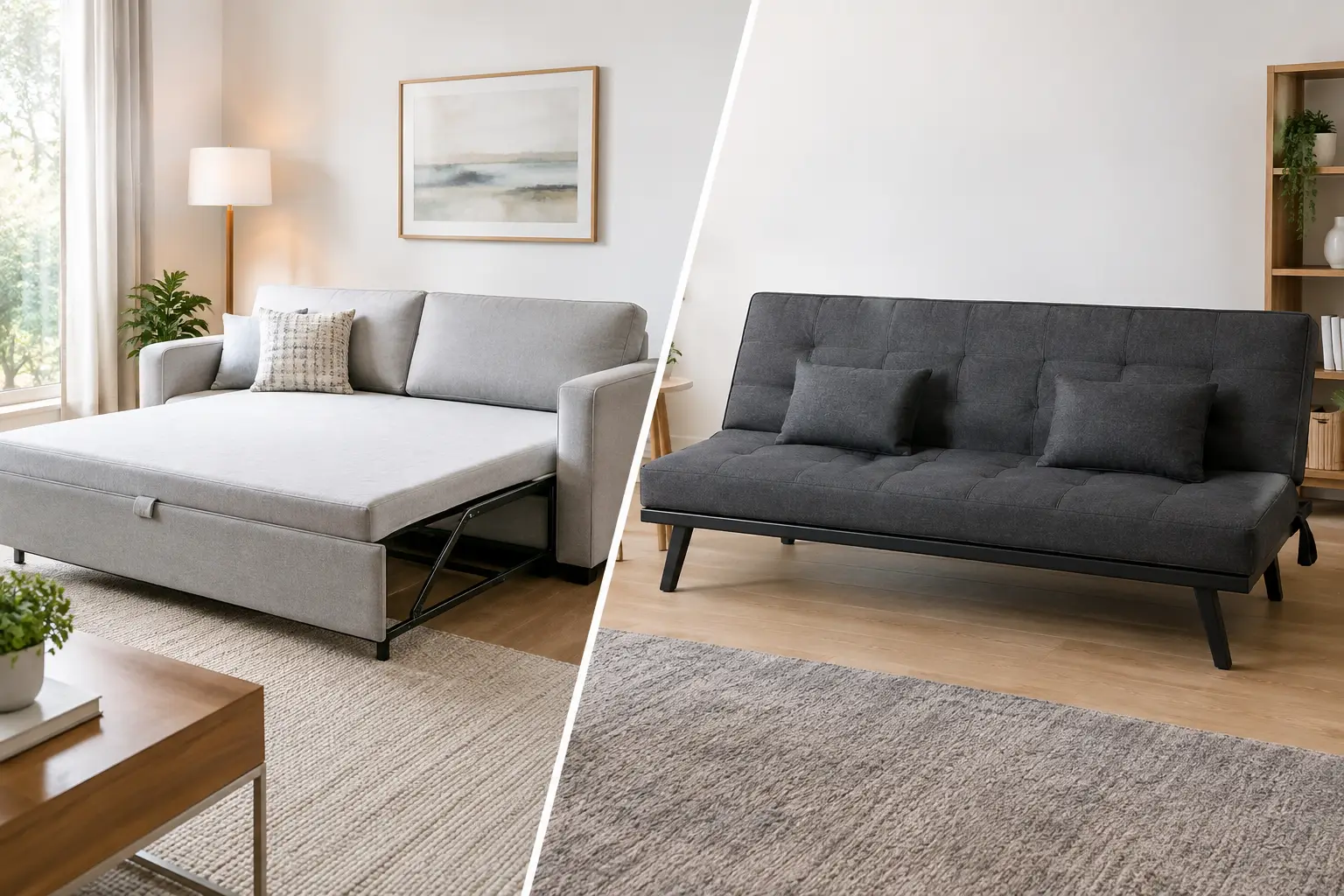
A sofa bed is built and styled primarily as a sofa. It usually has fixed upholstered cushions and a concealed mechanism that opens into a bed, often with a fold-out mattress inside. Some designs use a pull-out frame, while others have a click-clack or pull-forward construction.
A futon is generally simpler. Its padded mattress or cushion folds to form the seat and back of the sofa, then lies flat to create a sleeping surface. Modern futons can look neat and contemporary, but their structure is usually lighter and more straightforward than a traditional sofa bed.
That basic difference affects nearly every part of ownership: sitting comfort, sleeping support, visual style, weight, setup effort, and cost. A sofa bed is often the stronger choice when you need a proper-looking sofa first. A futon can be the smarter answer when flexibility, budget, and a smaller footprint come first.
Start With How Often It Will Be Used
The most useful question is not, “Which one is better?” It is, “How will this furniture work in my home most days?”
If it will be used as your main living room sofa, prioritize seat depth, cushion support, armrests, and upholstery durability. A quality sofa bed tends to feel more substantial for daily lounging because it is designed to function as a sofa without looking temporary. It can also better match a polished living room, especially when you are furnishing a new home for the long term.
If it will sit in a study, guest room, or multipurpose area and only be used occasionally, a futon may make better sense. It changes from seating to sleeping quickly and does not require you to store or unfold a separate inner mattress. For a young couple setting up a flexible home office, that convenience can matter more than having the deepest cushions.
For frequent overnight guests, be more selective with either category. A poorly made sofa bed with a thin mattress can be just as uncomfortable as a basic futon. The goal is not to buy the heaviest frame or the largest silhouette. It is to choose a model with real sleep support and enough room for the person using it.
Comfort: Sitting and Sleeping Are Different Tests
Many shoppers test a convertible sofa by sitting on it for two minutes. That is a good start, but it does not tell you how it will feel after a full night of sleep.
Sofa beds usually offer better sitting comfort. Their separate seat cushions can provide a more familiar sofa feel, with supportive foam, springs, or a combination of both. When opened, the sleeping mattress may be thinner than a standard bed mattress, but higher-quality models use denser foam or supportive mattress constructions that reduce the feeling of the frame underneath.
Futons vary widely. A thick, high-density futon mattress can be comfortable for occasional sleeping, while a thin padded version may feel firm or uneven. Because the same cushion is used for sitting and sleeping, it can develop compressed areas over time if it sees heavy daily use. This is especially noticeable when one side is used as the preferred seat every day.
For adults, older parents, or guests with back sensitivity, mattress quality should lead the decision. Look for a sleep surface that stays level when opened and provides enough thickness to cushion pressure points. If the furniture will be used for several nights in a row, a sofa bed with a well-designed mattress is often the safer bet.
A futon can still work well for children, teenagers, occasional guests, or casual movie-room use. Just be honest about the expectation. A budget futon is usually a temporary sleep solution, not a replacement for a supportive bed and mattress.
Do Not Ignore Mattress Size
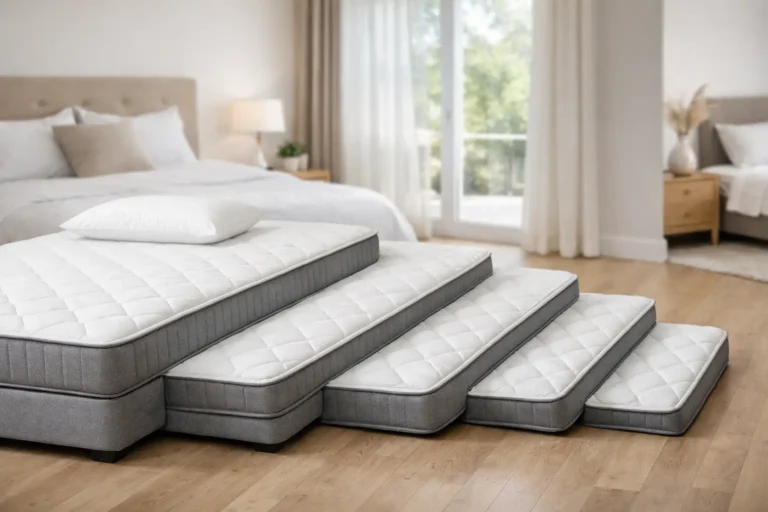
Dimensions can be surprising once the bed is fully open. Measure the available floor space, including the walking path around it. A sofa bed that fits neatly against the wall may extend far into the room when opened, leaving no comfortable route to the door or closet.
Also check the actual sleeping dimensions. “Full” and “queen” labels can vary by design, and some futons are narrower or shorter than shoppers expect. If two adults may use it, avoid guessing. Confirm the open-bed measurements before buying.
Space, Storage, and Setup Effort
Futons usually win on visual and physical lightness. Their frames are often slimmer, and many models are easier to move through elevators, hallways, and tight doorways. That makes them practical for renters, smaller apartments, and rooms that may change purpose over time.
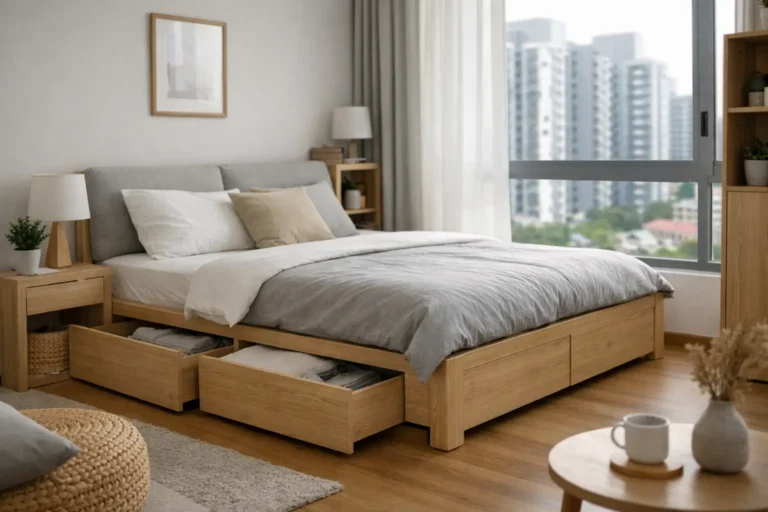
Sofa beds often take up more space and weigh more, but that extra structure can be worthwhile. They tend to have a more finished appearance, and some styles include useful features such as storage compartments beneath the seat. In a compact home, hidden storage for bedding, pillows, or seasonal linens can make a larger sofa bed more functional than a simpler futon.
The opening mechanism deserves attention, too. Try it if possible. A good sofa bed should open without excessive force, pinched fingers, or a complicated sequence. A futon should fold flat without the frame catching or the cushion sliding out of position.
Think about the routine at 11 p.m., not just the showroom moment. Will you need to remove heavy back cushions? Is there a coffee table that must be moved first? Where will the bedding go in the morning? The easiest convertible bed is the one your household will actually use without frustration.
Style and Long-Term Value
A sofa bed generally offers more choices in upholstery, arm styles, seat configurations, and colors. If your living room is a central space for hosting family and friends, it may blend more naturally with the rest of your furniture. It can look like a permanent part of the room rather than a guest bed waiting in the corner.
Futons have come a long way from basic dorm-room designs. Clean-lined wood frames, neutral fabric covers, and armless silhouettes can work beautifully in minimalist or casual interiors. Still, they usually create a more relaxed look. That is not a drawback if it matches the room, but it is worth considering beside your dining set, curtains, and other larger furnishings.
Price is another real trade-off. Futons are often more affordable upfront, particularly for simple frames and thinner cushions. Sofa beds typically cost more because of their larger frames, upholstery, and mechanisms. However, a well-made sofa bed may offer better value if it replaces both a proper sofa and an occasional guest bed for years.
At Catnap Lair, practical furnishing advice starts with the whole room, not a single product. A convertible piece should complement the way you sleep, host, store belongings, and move through your home. Paying for features you will not use is not value, but neither is choosing the cheapest option only to replace it after a year.
Which One Should You Choose?
Choose a sofa bed when you want a comfortable, polished sofa for everyday use and need a guest bed often enough to justify the added cost and weight. It is particularly suitable for a living room, family room, or dedicated guest space where appearance and seating comfort matter.
Choose a futon when you need a flexible, lower-cost piece for a smaller room, a home office, a teen’s room, or occasional visitors. It is best when easy conversion and a compact design matter more than the feel of a traditional sofa.
If the furniture will be your only bed for more than a short period, consider whether a proper bed frame and quality mattress would serve you better. A storage bed, pullout bed, or other space-saving bed can provide more consistent support while still helping you make the most of limited square footage.
Before making your final choice, measure the room, open up the planned sleeping area with tape on the floor, and picture a real overnight stay. The right piece should make guests feel welcome without making everyday life feel cramped.