A mattress can feel wonderfully plush for five minutes in a showroom, then leave you shifting positions at 3 a.m. That is why the question, does mattress firmness matter, is more useful than asking whether a mattress feels soft or hard. Firmness affects how your body settles into the bed, but the right choice is about support, pressure relief, and your personal sleeping habits working together.
For couples furnishing a first home, it can be tempting to choose the softest mattress because it feels luxurious, or the firmest because it sounds more supportive. Neither shortcut is reliable. A mattress should help your spine stay comfortably aligned while cushioning areas such as your shoulders, hips, and lower back.
Does Mattress Firmness Matter? Yes, but Support Matters Too
Firmness describes the initial feel of a mattress: soft, medium, medium-firm, or firm. Support describes whether the mattress holds your body in a healthy, even position over the night. They are related, but they are not the same thing.
A firm mattress can still lack support if its materials compress unevenly or lose structure quickly. Likewise, a medium-feel mattress can offer excellent support when it uses a well-designed spring system, durable foam layers, or a combination of both. This is why a mattress labeled “orthopedic” or “firm” should not be treated as an automatic solution for back comfort.
Think of it this way: firmness is the sensation you notice when you first lie down. Support is what your body notices after several hours of sleep. The best mattress balances both. You should not feel as though your hips are sinking far below your shoulders, but you also should not feel pressure building at your shoulder or hip.
Your Sleep Position Changes the Ideal Feel
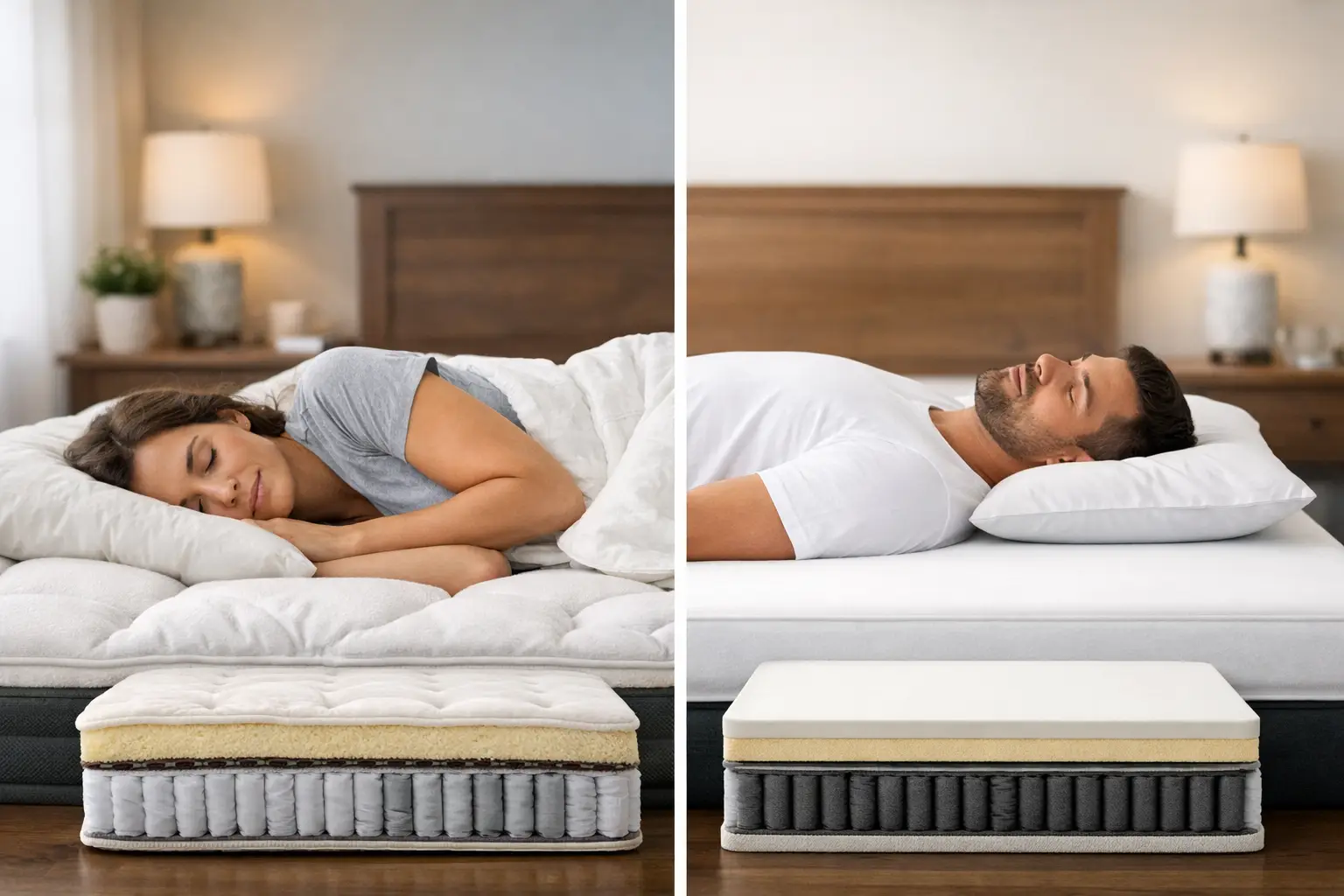
Your usual sleep position is one of the clearest starting points when choosing firmness. It determines where your body needs cushioning and where it needs resistance.
Side sleepers usually need more pressure relief
Side sleepers place much of their weight on one shoulder and hip. A mattress that is too firm may create pressure in these areas, causing numbness, tossing, or waking with soreness. Many side sleepers feel most comfortable on a medium to medium-soft mattress that allows these wider points to settle in slightly while still supporting the waist and lower back.
That said, very soft is not always better. If the mattress lets the pelvis dip too deeply, spinal alignment can suffer. Side sleepers often do best with contouring comfort over a stable support core.
Back sleepers often prefer a balanced surface
Back sleepers need gentle support through the natural curve of the lower back. A medium or medium-firm mattress is frequently a practical choice because it keeps the hips from dropping while providing enough cushioning around the shoulders and lumbar area.
If you sleep on your back but regularly wake feeling a gap or strain around your lower back, the issue may be a mattress that is either too firm to contour or too soft to hold your hips up. The distinction matters, which is why trying a mattress in your normal sleeping position is more helpful than simply sitting on its edge.
Stomach sleepers usually need a firmer feel
Stomach sleeping can pull the lower back into an uncomfortable arch when the hips sink too far. A medium-firm to firm mattress often works better because it keeps the midsection more level with the rest of the body.
This does not mean every stomach sleeper needs the hardest mattress available. A surface that is excessively hard can create pressure around the chest and knees. The goal is a flatter, supported posture, not a board-like bed.
Combination sleepers need responsive comfort
If you move between positions during the night, consider a medium or medium-firm mattress with responsive materials. It should be easy to turn on, with enough contouring for your side and enough support for your back or stomach. For many couples, this middle range is also easier to share when sleep preferences differ.
Body Weight and Shape Affect How Firm a Mattress Feels
Mattress firmness is not experienced the same way by every person. A mattress that feels medium-firm to one sleeper may feel much firmer to a lighter person and softer to someone with a higher body weight.
Lighter sleepers may not sink far enough into a firm mattress to access its comfort layers. As a result, they can experience it as uncomfortably hard, especially when sleeping on their side. They may prefer more cushioning on top.
Heavier sleepers tend to compress comfort layers more deeply and may need stronger support to prevent excessive sinkage. A medium-firm or firm design with durable materials can help keep the body aligned and make getting in and out of bed easier.
Body shape also plays a role. Someone with broader shoulders may need more give near the upper body, while someone who carries more weight around the hips or midsection may need a mattress with steadier support in those areas. Labels provide a useful starting point, but comfort is personal.
Why “Firm Is Best for Your Back” Is Too Simple
Many shoppers have heard that a firm mattress is always best for back pain. The reality is more nuanced. A mattress that is too soft may allow poor alignment, but one that is too firm can create pressure points and prevent the body from relaxing.
Research and real-world comfort both point toward a middle ground for many adults: enough structure to support the spine, paired with enough cushioning to reduce pressure. Medium-firm is popular for good reason, but it is not a universal answer.
If you have persistent back, neck, or joint pain, a mattress can be one part of a more comfortable sleep setup, alongside the right pillow, sleep position, and guidance from a healthcare professional when needed. Do not assume a firmer mattress will solve pain simply because it feels more solid.
Materials Influence Firmness, Cooling, and Movement
The same firmness rating can feel different depending on the mattress construction. This is especially relevant for warm sleepers, couples, and anyone replacing an older mattress that has developed noticeable dips.
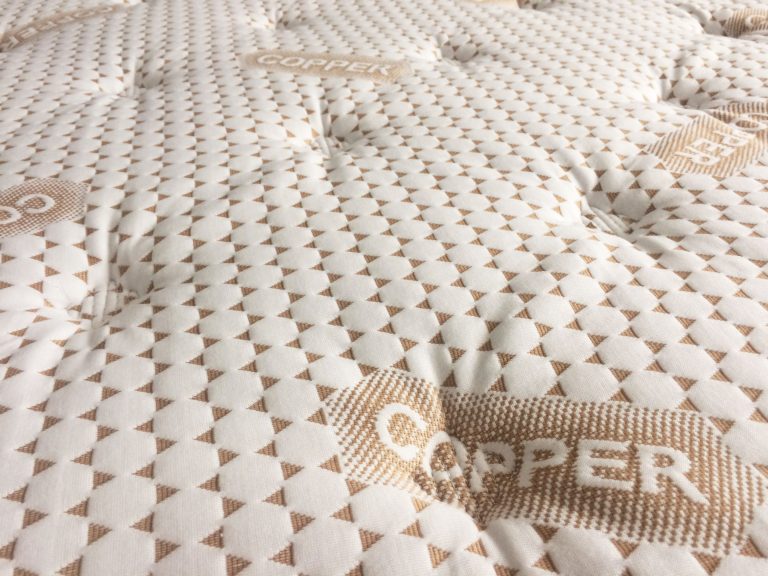
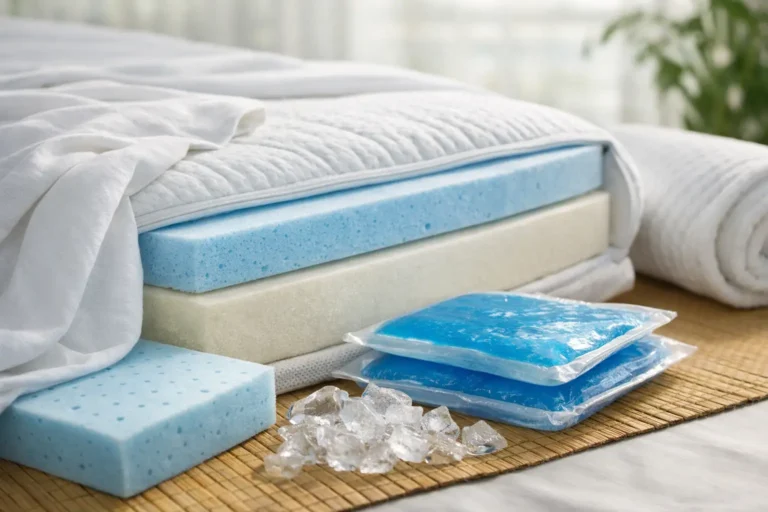
Memory foam typically contours closely to the body and reduces motion transfer, which can be helpful if your partner changes positions often. Some people love the pressure relief; others prefer a more responsive surface that makes movement easier. Cooling foams and breathable covers can improve comfort, though no material choice can fully replace good room ventilation and suitable bedding.
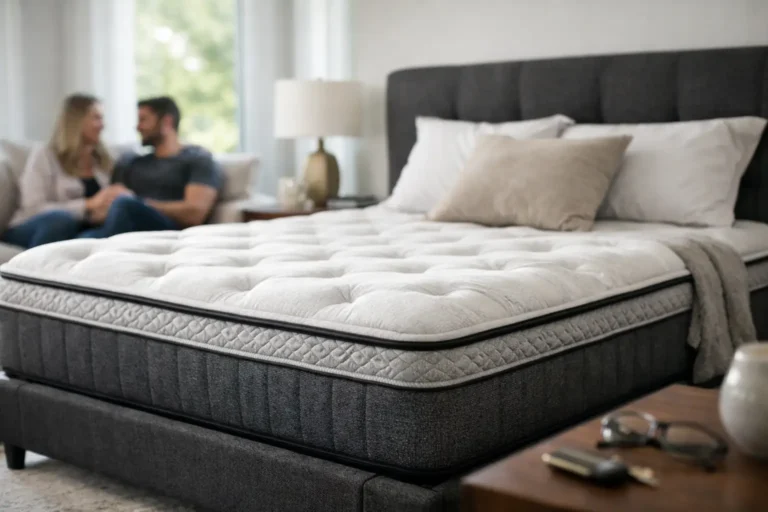
Pocketed spring mattresses tend to offer a more buoyant feel with stronger edge support and airflow. Hybrid designs combine springs with foam or latex-like comfort layers, aiming to balance contouring, response, and temperature regulation. The best choice depends on how you like to feel on the bed: gently cradled, lightly cushioned, or more on top of the surface.
How Couples Can Choose One Firmness
Different preferences do not have to make mattress shopping difficult. Start by identifying the non-negotiables. If one person is a side sleeper with shoulder pressure and the other sleeps on their stomach, a medium-firm hybrid may be a sensible compromise. It can offer a supportive core while providing a softer comfort layer near the surface.
Pay attention to motion transfer if one partner wakes easily. Also consider edge support, particularly in a compact bedroom where the full usable width of the mattress matters. A stable perimeter can make sharing the bed feel less cramped and can be useful when sitting to get dressed.
When preferences are far apart, consider models with a balanced medium feel, mattresses designed for low motion transfer, or separate sleep surfaces where the bed setup allows it. A good decision is not about winning the firmness debate. It is about giving both people a more restful night.
Test a Mattress the Right Way
A quick lie-down is better than nothing, but it rarely tells the full story. When visiting a showroom, wear comfortable clothing and spend at least several minutes in your usual sleep position. If you sleep with a partner, test the mattress together when possible.
Notice whether your shoulders and hips feel pressured, whether your lower back feels supported, and whether you can change position without effort. Ask about the mattress construction, recommended sleeper profile, warranty, and available trial or exchange terms. These details matter more than a vague promise that a mattress is “premium.”
At Catnap Lair, the most useful mattress conversation starts with how you sleep, not with a push toward the softest or most expensive option. A guided comparison can help you weigh comfort, support, cooling, and budget before committing to a mattress you will use every night.
Firmness matters because sleep is physical. Choose the feel that lets your body relax while staying supported, then give yourself enough time to judge it in the positions you actually sleep in. Your bedroom should make rest easier, not turn it into another compromise.