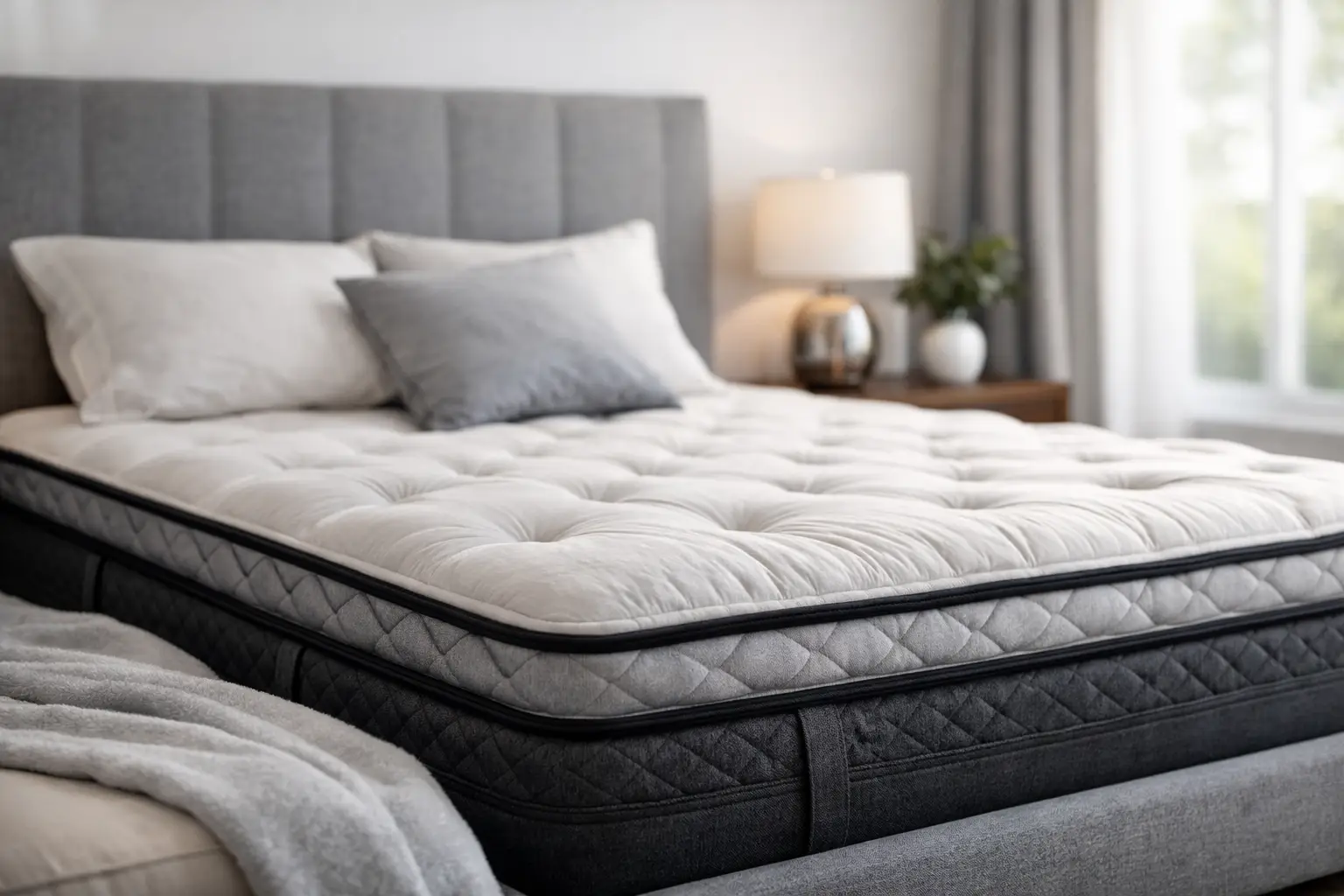
A mattress can feel wonderfully soft for five minutes and still leave you shifting at 3 a.m. That is why a useful Fourstar mattress comfort review needs to look beyond a simple soft, medium, or firm label. The right choice comes down to how the mattress cushions pressure points, holds your body in a neutral position, manages warmth, and performs when two people share the bed.
Fourstar mattresses are often considered by homeowners looking for a practical balance of comfort and support without stepping into luxury-store pricing. But comfort is personal. A model that suits a back sleeper with a larger build may feel too firm for a lightweight side sleeper. Before deciding, it helps to understand what you are feeling and why it matters night after night.
Fourstar Mattress Comfort Review: What the Feel Means
The first impression of a mattress is its surface feel. You may notice a gentle plushness, a more even medium feel, or immediate resistance from a firmer sleep surface. That initial sensation matters, but it is only one layer of the comfort experience.
A good mattress should allow the shoulders and hips to settle in slightly while stopping the heavier parts of the body from sinking too far. When that balance is right, your spine stays closer to its natural alignment. When it is wrong, a mattress may feel comfortable at first but create lower-back tension, numb arms, or a stiff neck by morning.
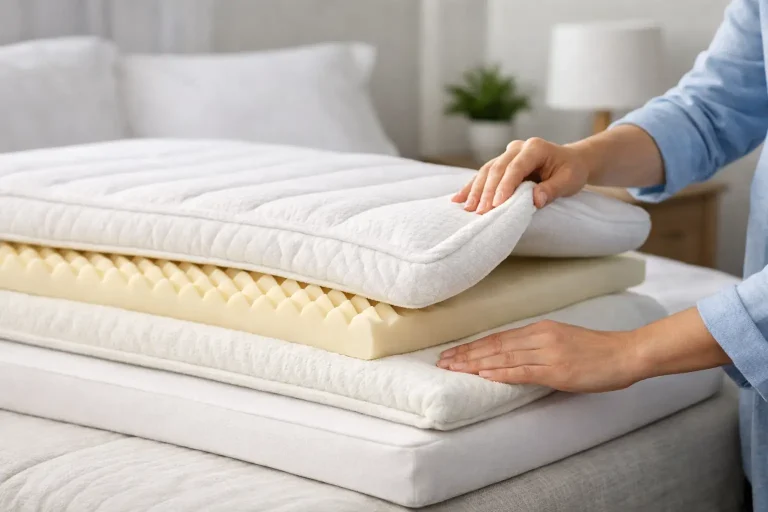
Fourstar mattress collections can vary by model, construction, and comfort level. For that reason, do not assume every Fourstar mattress will feel alike. Check the product specifications and try the exact model where possible. The materials, spring system, foam layers, and mattress height all influence how it responds under your body.
For side sleepers
Side sleepers usually need more pressure relief around the shoulder and hip. A medium or medium-plush feel often works well because it gives these areas room to settle without forcing the spine to curve downward. If the surface is too firm, you may wake up with shoulder soreness or a tingling arm.
That said, a very soft mattress is not automatically better. If your hips dip too deeply, your lower back may lose support. The better fit is usually one that feels cushioned at the top but stable beneath the hips.
For back sleepers
Back sleepers tend to do well with a medium to medium-firm mattress that supports the lower back without creating a hard, flat feeling. The goal is to prevent the pelvis from dropping while allowing enough contouring for the natural curve of the lumbar area.
If you prefer a more buoyant, easier-to-move-on feel, look for a Fourstar model that provides responsive support rather than deep body-hugging softness. This can be especially helpful for people who change positions during the night.
For stomach sleepers
Stomach sleepers generally need the most stable surface of the three groups. A medium-firm to firmer feel can help keep the hips level with the shoulders, reducing the chance of an exaggerated lower-back curve. Too much plush cushioning may feel cozy briefly, but it can cause the midsection to sink over time.
Your pillow choice matters here as well. A tall pillow combined with a soft mattress can put extra strain on the neck, even if the mattress itself feels supportive.
Support Is Different From Firmness
One of the most common mattress-shopping mistakes is treating firmness and support as the same thing. They are related, but they are not identical.
Firmness describes how soft or hard the mattress feels when you lie down. Support describes whether the mattress keeps your body properly positioned. A medium-feel Fourstar mattress can be highly supportive if its core provides steady resistance where your body needs it. Meanwhile, a firm mattress may still feel unsupportive if it does not distribute your weight evenly.
When testing a mattress, lie in your usual sleep position for at least 10 to 15 minutes. A quick sit on the edge or a brief lie-down will not tell you much. Pay attention to your lower back, shoulders, and hips. You should not feel pressure building in one spot, nor should you feel as though you are rolling toward the center.
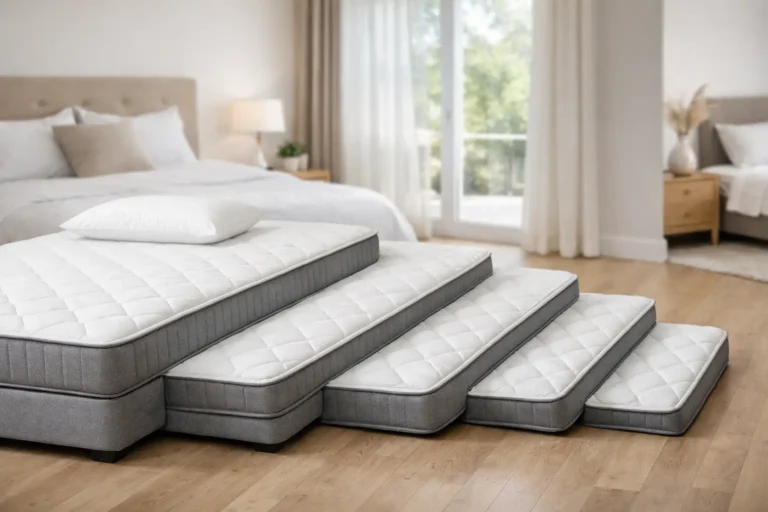
For couples, support also means consistent performance across the surface. If one partner is heavier, the mattress should not make the lighter sleeper feel tilted or pushed outward. This is particularly relevant on queen and king sizes, where each person needs enough usable space to settle comfortably.
Motion Transfer and Edge Comfort for Couples
Comfort is not just about how a mattress feels when you first lie down. If your partner gets up earlier, tosses and turns, or returns to bed late, motion transfer becomes part of your sleep quality.
A mattress with better motion isolation helps reduce the movement you feel on your side. Foam comfort layers can help absorb motion, while the design of the support system also plays a role. No shared mattress removes every movement completely, but a well-balanced design can make disruptions far less noticeable.
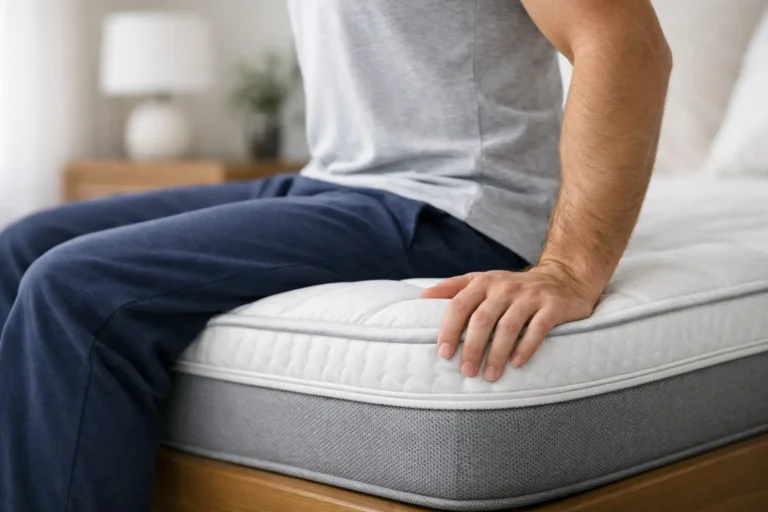
Edge support is another detail that deserves attention. Stronger edges make it more comfortable to sit while putting on socks, getting dressed, or helping a child settle down. They also let couples use more of the mattress surface without feeling as if they might roll off. This can be valuable in compact bedrooms, where upgrading to an oversized bed frame may not be practical.
Is a Fourstar Mattress Cool Enough?
Sleeping hot can make even a supportive mattress feel uncomfortable. Heat retention depends on several factors: the room temperature, bedding, body heat, mattress protector, and the materials inside the mattress itself.
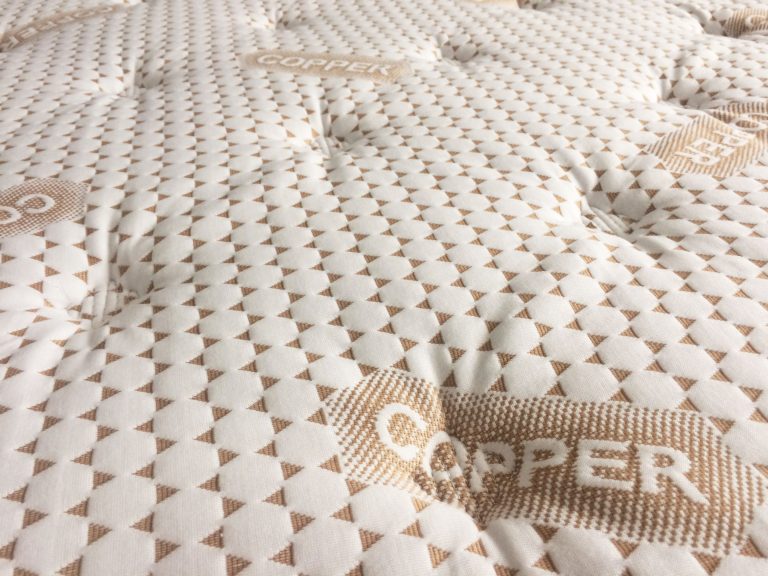
If you tend to wake up warm, look for a Fourstar model with breathable cover materials and a construction designed to encourage airflow. A more responsive sleep surface may also feel less heat-trapping than a deeply contouring one. However, cooling claims should be viewed realistically. A mattress can improve temperature comfort, but it cannot compensate for a non-breathable waterproof protector, heavy duvet, or poor room ventilation.
For Singapore homes, where warm and humid nights are common, breathable bedding can make a noticeable difference. Pair the mattress with a lightweight protector and sheets that do not hold excess heat. This simple combination often improves comfort more than changing one item alone.
The Best Fourstar Comfort Level Depends on Your Body and Routine
There is no single best firmness for every homeowner. Your sleeping position is a starting point, but your body weight, pain points, preferred pillow, and daily routine all matter.
A lighter sleeper may experience a mattress as firmer because the body does not compress the comfort layers as deeply. A heavier sleeper may find the same mattress softer and may need more support underneath. Someone with occasional back discomfort may prefer a stable medium-firm feel, while someone with sensitive shoulders may prioritize pressure relief.
Also consider how you use the bed outside of sleep. Families may need strong edges for bedtime stories. Couples with different schedules may place more value on motion isolation. People who sit up to read or watch television may appreciate a mattress that does not make them feel stuck when changing positions.
At Catnap Lair, a mattress recommendation should start with these real-life details, not just a popularity ranking. The best-selling option is only the best option when it suits the person sleeping on it.
How to Test a Fourstar Mattress Before You Buy
If you can test the mattress in person, wear comfortable clothing and approach the trial like you would a normal night of sleep. Lie on your side, back, and stomach if you use all three positions. Bring your partner when possible, because shared comfort is difficult to judge alone.
Notice whether your shoulders feel compressed, whether your lower back feels unsupported, and whether turning requires effort. A mattress should not force you to choose between pressure relief and easy movement. If you feel relaxed but still well held, that is usually a positive sign.
When shopping online, read the specifications carefully and ask direct questions about the mattress feel, height, support design, and recommended sleeper profile. Be honest about your current mattress too. If it feels too hard, too saggy, too warm, or too bouncy, that information makes it easier to narrow down the right Fourstar option.
A comfortable mattress is not the one with the softest top or the boldest claim. It is the one that helps you wake up with fewer aches, less tossing, and more energy for the home you are building.